How it works
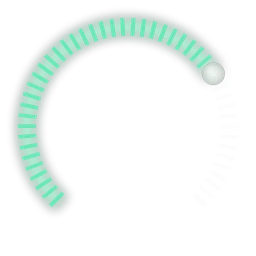
Follow the light around the ring. Breathe in as it climbs, and out as it comes back down. Each breath takes ten seconds, about six breaths a minute, and the whole session is two minutes.
Breathe through your nose if you can, and let the out-breath be easy rather than forced. If you feel light-headed, go back to breathing normally. That’s fine too.
Why slow breathing
Breathing at around six breaths a minute is associated with calmer body signals and feeling more relaxed.1 It’s the pace most studies use, though the best pace varies a little from person to person.2 Across trials, breathing practices modestly reduced stress and anxiety.3
It won’t decide anything for you, and it isn’t a treatment. It can turn the volume down for long enough that you don’t act on the urge. More on getting through the moment: what to do when you want to text your ex.
Sources
-
Zaccaro, A., Piarulli, A., Laurino, M., Garbella, E., Menicucci, D., Neri, B., & Gemignani, A. (2018). How breath-control can change your life: A systematic review on psycho-physiological correlates of slow breathing. Frontiers in Human Neuroscience, 12, 353. doi.org/10.3389/fnhum.2018.00353. 15 small studies in healthy adults. ↩
-
Lehrer, P. M., & Gevirtz, R. (2014). Heart rate variability biofeedback: How and why does it work? Frontiers in Psychology, 5, 756. doi.org/10.3389/fpsyg.2014.00756. A review by the method’s developers. ↩
-
Fincham, G. W., Strauss, C., Montero-Marin, J., & Cavanagh, K. (2023). Effect of breathwork on stress and mental health: A meta-analysis of randomised-controlled trials. Scientific Reports, 13, 432. doi.org/10.1038/s41598-022-27247-y. Most included trials had a moderate risk of bias. ↩